The Specialization That Turns an Esthetics Career Into a Business
Work anywhere with low overhead, no consumables, and a complete system rather than years of trial and error.
Every strong career in this industry starts the same way: with training. Esthetician school gives you the foundation nothing else can, skin science, sanitation, client care, and the license that makes you a professional. That education is worth every hour you put into it.
What comes next is the question this post is about. Because the estheticians who build the most durable careers almost always do it the same way: they take their foundation and add a specialization to it.
Why specialization changes the math
The standard early-career path is a good one for learning: join a spa, build a clientele, sharpen your skills on real clients. Commission and booth-rental arrangements are how most of us start, and there's real value in that season of a career.
But most estheticians eventually hit the same ceiling. Income tied to hours. A price list someone else sets. A book that belongs to the business, not to you.
The way through that ceiling, in every corner of this industry, is a specialization that clients seek out specifically. Lash artists learned this. Brow specialists learned this. Advanced skin practitioners learned this. When you offer something clients can't get from every provider in town, you set the price, and the demand follows you rather than the building you work in.
Body sculpting is one of the most valuable specializations an esthetician can add right now, and it's also one of the most misunderstood.
What makes body sculpting different from other add-ons
Most advanced services require either heavy capital or heavy ongoing costs. An Emsculpt NEO runs $60,000 to $120,000. Ultherapy systems sit in the same range. CoolSculpting charges per-treatment consumable fees, so the manufacturer gets paid every time you treat a client.
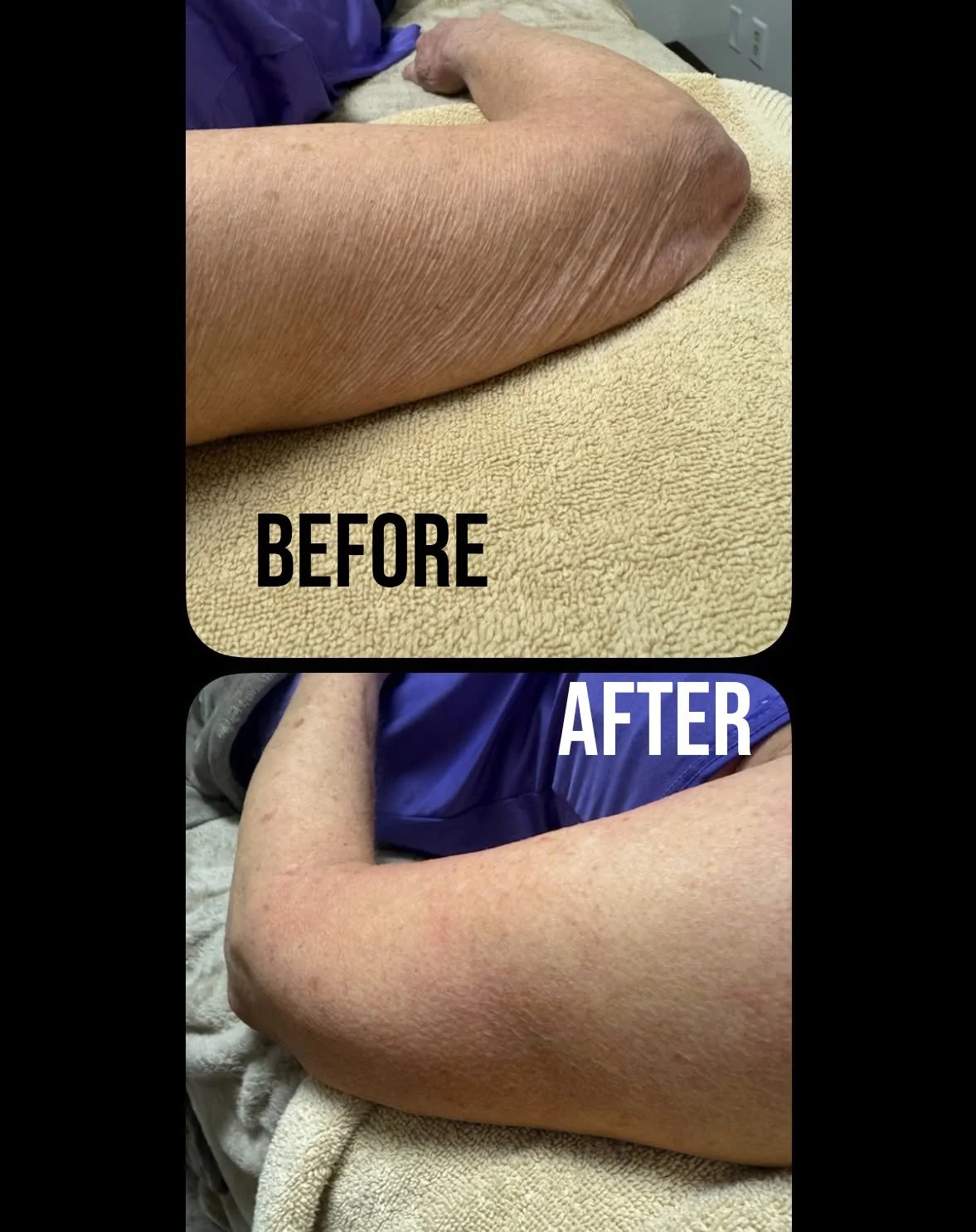
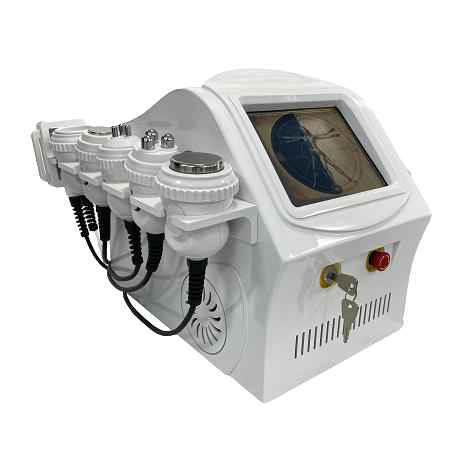
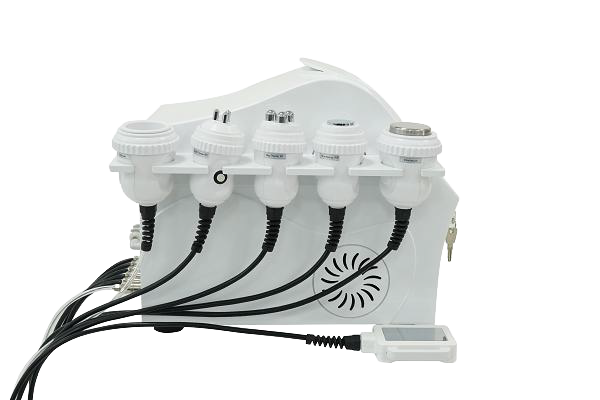
Ultrasonic body sculpting sits in a different category. The equipment cost is a fraction of those figures. There are no consumables, so every session after your first is nearly pure margin. There's no franchise fee and no royalty. A single treatment room is enough to operate, whether that's a room you rent inside an existing spa or a studio of your own.
Run the numbers on a modest practice. At $200 per session, ten sessions a week is roughly $8,000 a month in revenue against overhead that consists of a room, insurance, and marketing. For an esthetician adding this alongside existing services, even a few sessions a week meaningfully changes what a month looks like.
One practical note: licensing requirements for cavitation vary by state, so confirm current requirements with your own state board as you plan. Your esthetics license and education are an asset here in every case, because clients trust a trained, licensed professional with their body far more readily than an operator with a machine.
The part that actually determines whether you succeed
Now for the honest part, because this is where practitioners in every specialty get burned.
The machine is not the specialization. Anyone can buy a cavitation machine. They're available online at every price point, most arriving with a thin manual and no training beyond a YouTube search. This is exactly why so many practitioners get inconsistent results, and why so many clients walk away believing cavitation doesn't work.
The results live in the technique. How the applicator moves. How long each area is worked. How the treatment is sequenced so the body can actually process and flush what the ultrasound releases. None of that comes in the box. You already know this instinctively from school: the product was never the facial. The hands were.
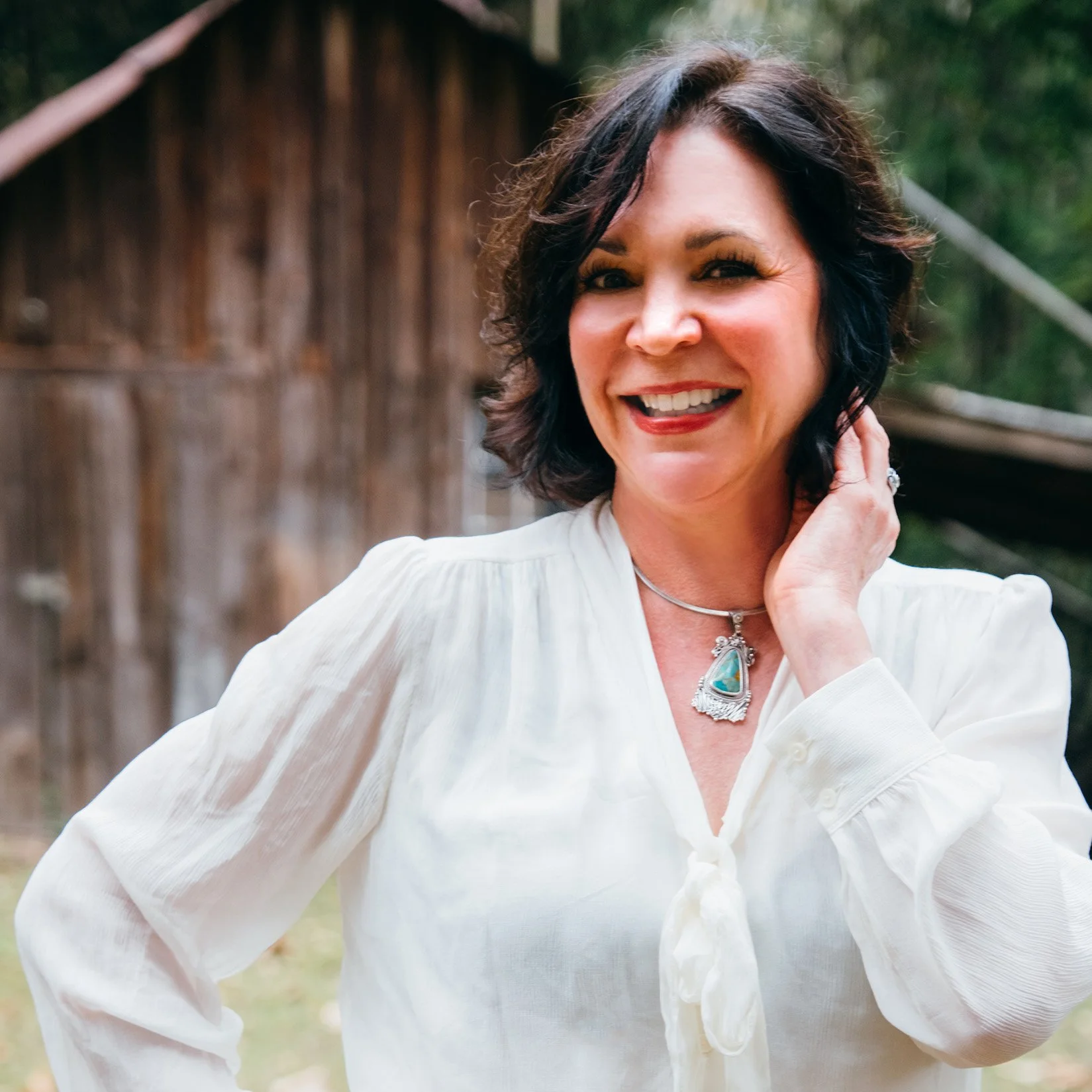
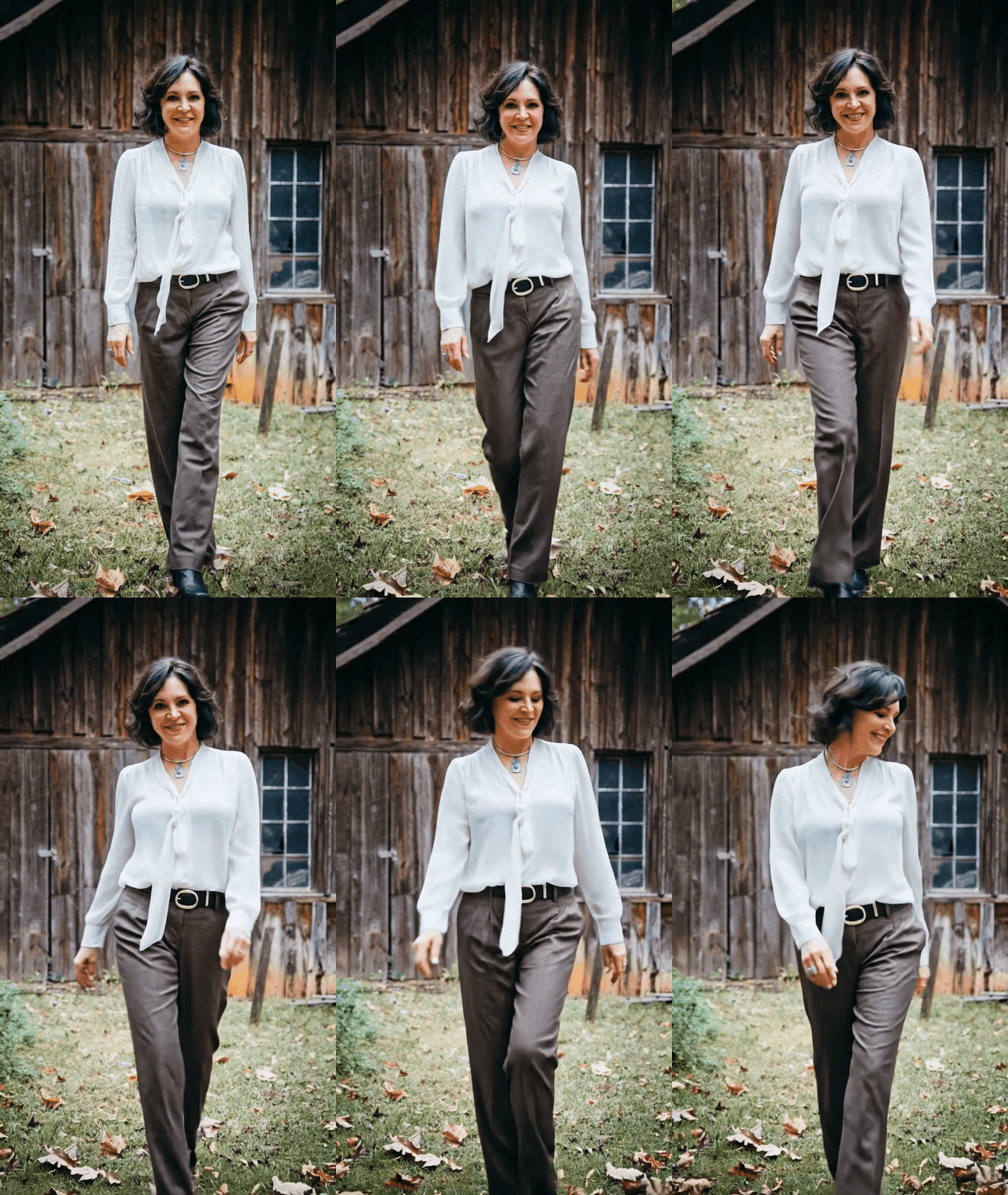
Anne Bragg demonstrates the Fat Welding technique, the hands-on ultrasonic sculpting method taught in the Complete Practitioner Package.
I spent thirty years in aesthetics, across hair, skin, and body. The last ten of those years I spent on one thing: refining an ultrasonic sculpting technique precise enough to produce consistent, visible results, session after session, client after client. I named it Fat Welding, and it's the difference between owning equipment and owning a method.
That's the gap the Complete Practitioner Package was built to close. It pairs a professional-grade machine with hands-on training in the technique itself, so you add this specialization the way you learned your foundation: properly, from someone who has done the work.
Where this fits in your career
There's no single right timing, but here's where I've seen it work best…
For current students & recent graduates:
Finish your program, get licensed, and treat this as the specialization you add on top of that foundation. You'll launch with credibility most new practitioners spend years building.
For working estheticians:
This is a service line you can add inside your current situation, a rented room, a chair you already work, and let it grow into its own practice on your timeline. Many practitioners run it alongside their existing services until the body sculpting book fills.
For career changers:
The door is open here too, and your path is the same one: take training seriously, learn the method properly, and confirm your state's requirements before you launch.
In every case, the pattern is identical. The foundation plus the specialization plus the method is what builds a practice you own.
Before you decide anything…
This path suits people who want to run a business, not just perform a service. You'll be responsible for your own marketing, your own clients, and your own standards. The training gives you the method; the discipline is yours.
If that sounds like the career you pictured when you first chose this industry, start with the practitioner guide below. It walks through why cavitation results vary so widely between providers, and what separates the practitioners who build lasting businesses from the ones who quietly stop offering the service.
Download the free practitioner guide:
The 5 Reasons Your Cavitation Results Are Inconsistent
Or, if you're ready for a real conversation about the Complete Practitioner Package, the inquiry form is one click away. I read every submission personally.
Anne Bragg is the founder of The Bragg Method and the creator of Fat Welding, a proprietary ultrasonic body sculpting technique developed over ten years and built on thirty years in the aesthetics industry. She trains & practices from her studio in Macon, GA.