Why Thousands of CoolSculpting Clients Are Looking for Alternatives
And what to know before you freeze your fat.
There's a conversation happening in aesthetic medicine right now that most practitioners aren't having out loud.
CoolSculpting became one of the most recognizable names in non-surgical body contouring. Today, thousands of clients who expected to walk away with a slimmer silhouette are instead navigating lawsuits, permanent disfigurement, and a condition most of them had never heard of before it happened to them.
If you're researching non-surgical fat reduction, you deserve to understand this fully. An informed client makes a better decision for their body.
What Is CoolSculpting? And What Went Wrong?
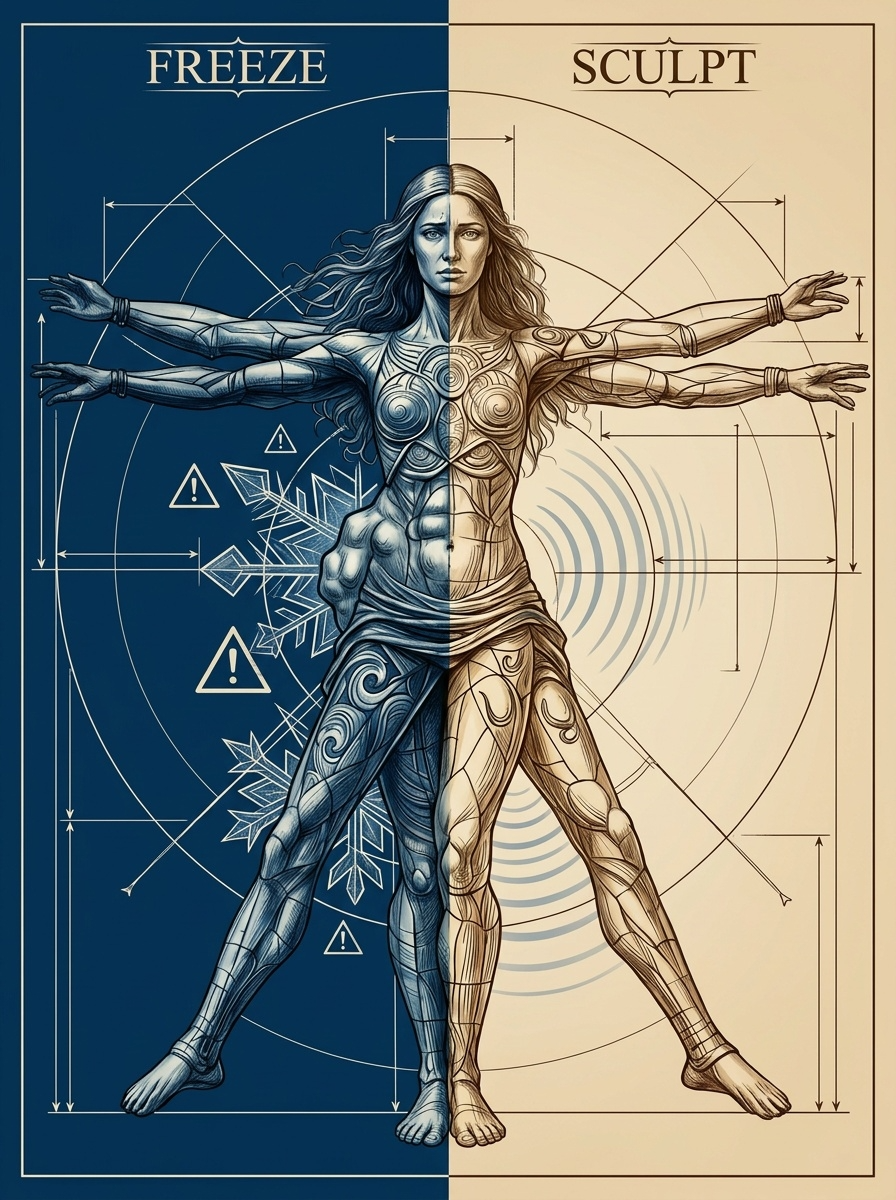
CoolSculpting uses a process called cryolipolysis:
It applies controlled cold temperatures to targeted fat deposits, with the intention of freezing and destroying fat cells, which the body then gradually clears over the following weeks.
The technology was FDA-cleared in 2010 and became enormously popular. The pitch was clean — no needles, no surgery, no downtime. For millions of clients, it worked as advertised.
But for a significant subset of those clients, something else happened entirely.
Paradoxical Adipose Hyperplasia: The Side Effect CoolSculpting Didn't Advertise
The condition is called Paradoxical Adipose Hyperplasia — PAH for short. And the name tells you exactly what it does.
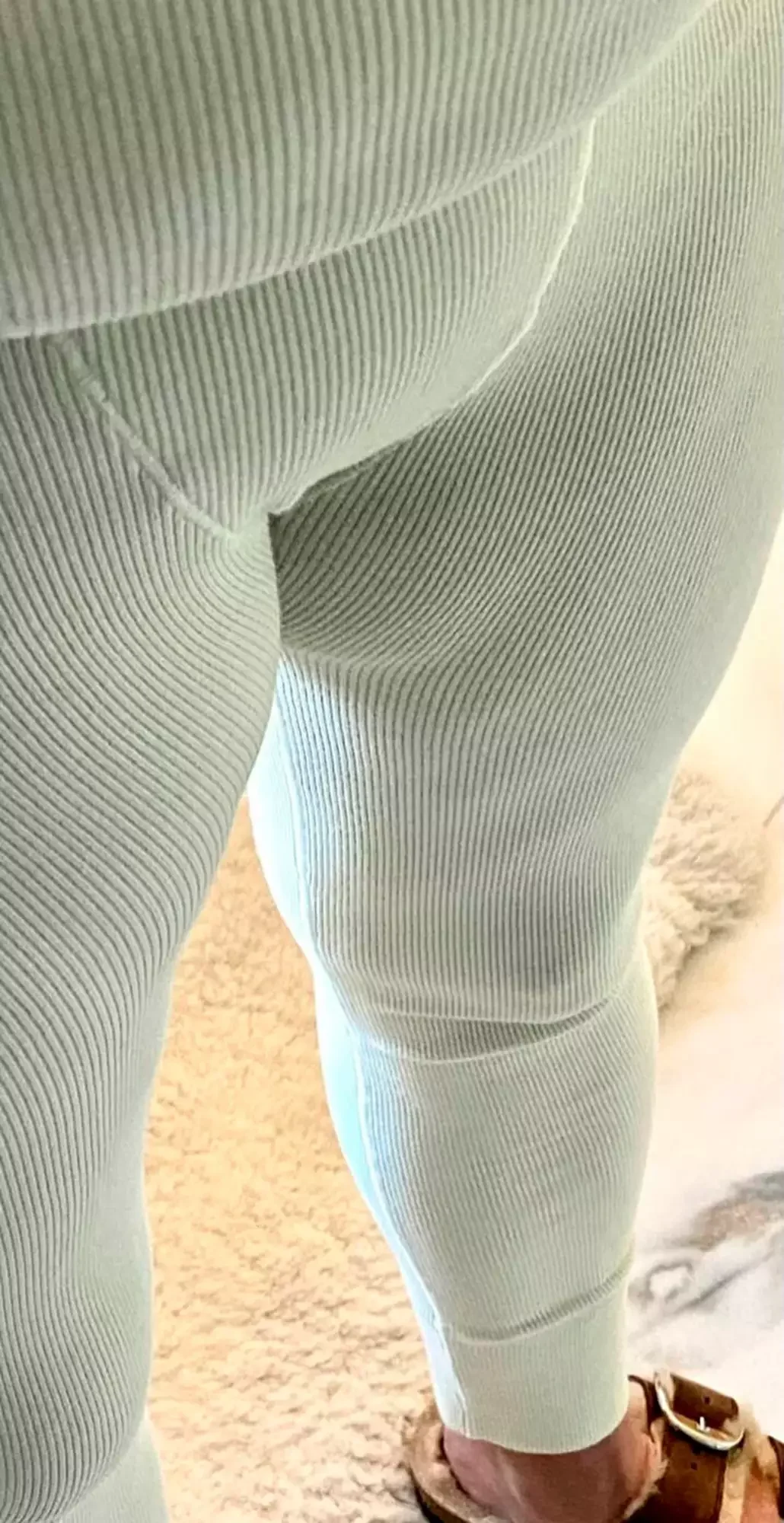
Instead of shrinking after treatment, fat cells expand and harden. They grow in the exact shape of the CoolSculpting device that was applied — a firm, rectangular mass that sits beneath the skin like a stick of butter. It does not respond to diet or exercise. In most cases, it is permanent without surgical correction.

The FDA received over 1,900 adverse event reports from CoolSculpting treatments in a single year.
Medical research now suggests PAH may affect as many as 1 in 50 cases — far higher than the manufacturer's original figures.
Allergan Aesthetics, the company behind CoolSculpting, has faced legal scrutiny for downplaying the risk, imposing confidentiality agreements on affected patients, and underreporting adverse events to regulators.
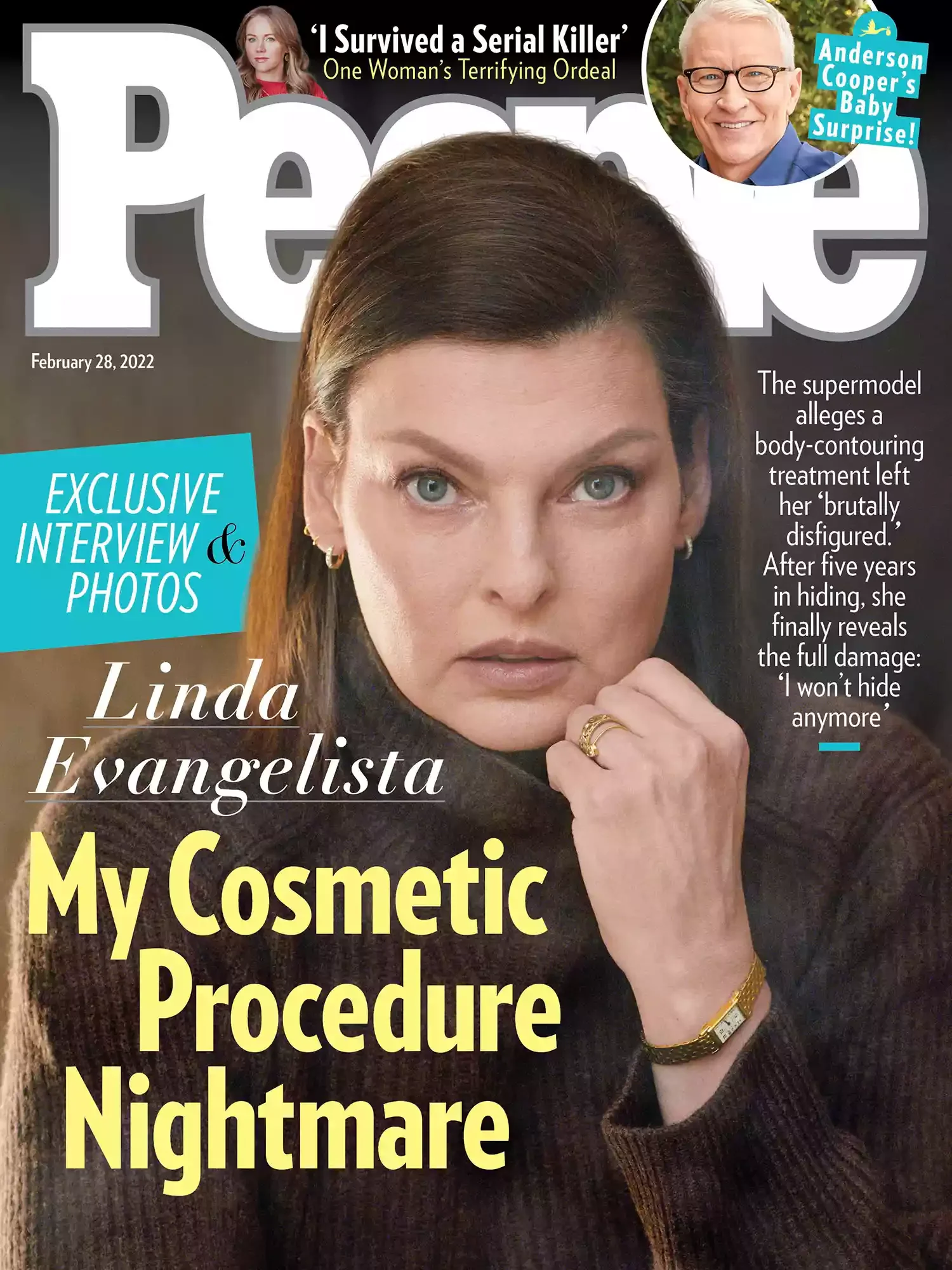
Supermodel Linda Evangelista — who went public with her PAH diagnosis in 2021 — became the most visible face of this story.
She described spending years hiding from public life, disfigured by a procedure she'd trusted.
She was not alone. She is simply the one who had the platform to say so.
Why This Matters for Your Decision
We're not telling you this to frighten you.
We're telling you this because it reflects something important about how non-surgical fat reduction actually works, and what questions to ask before any treatment.
A better question to ask than "is this procedure popular?" is this: what is this technology actually doing to my fat cells, and what happens if something goes wrong?
CoolSculpting works by inducing cell death through cold.
The body treats that cellular damage as trauma and clears the debris through the lymphatic system. When the process works correctly, the fat is cleared.
When it doesn't — when the cold triggers the wrong cellular response — the fat responds by proliferating instead.
Fat Welding works differently. Not through trauma, but through precision frequency.
The Ultrasound Difference
‘Fat Welding’ is the proprietary method developed by Anne Bragg over 30 years of practice in aesthetics.
It uses low-frequency ultrasonic waves, not cold, not needles, not electromagnetic pulses, to create microscopic disruptions within the fat cell membrane.
The cell contents are released, converted to liquid, and cleared naturally through the lymphatic system and liver.
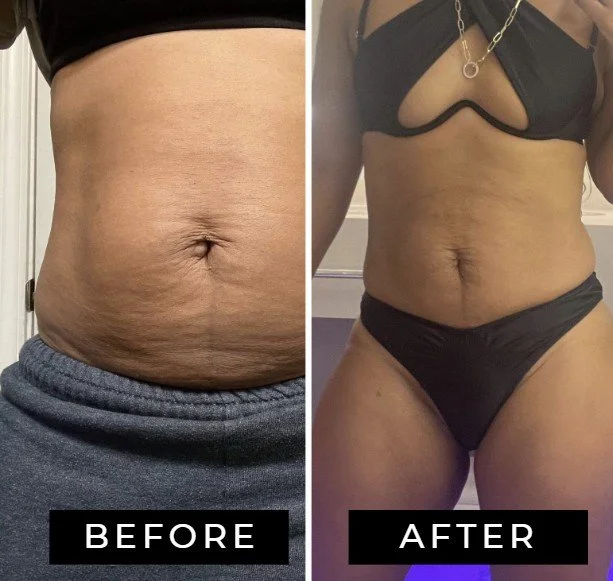
The process works with the body's own architecture, not against it.
There is no freezing. There is no induced trauma.
There is no mechanism by which the fat expands in response.
The four phases of an Ultrasound Fat Cavitation treatment are:
Application. A conductive gel is applied to the treatment area. A handheld probe is moved with precision across the skin's surface.
Cavitation. Low-frequency ultrasound waves penetrate the subcutaneous fat layer, creating rapid micro-vibrations around fat cells.
Rupture. Microscopic bubbles form and collapse within the fat cell membrane — gently, precisely, selectively. The membrane is disrupted. The cell releases its contents.
Flush. The liquefied fat enters the lymphatic system and is processed naturally by the body. No trauma. No debris. No paradoxical response.
This is the method. Not a machine anyone can buy and operate.
A method that requires a practitioner with the training, the eye, and the hands to apply it with surgical precision.
What This Means If You're Considering Non-Surgical Body Contouring
You have more options than you've been told.
Fat freezing is not the only technology in the room. Electromagnetic muscle stimulation and radiofrequency tightening each address different concerns — muscle tone and skin laxity, respectively — but neither targets fat the same way ultrasonic cavitation does. And not all ultrasonic cavitation is Fat Welding.
What separates a Fat Welding outcome from a generic cavitation outcome is the same thing that separates a master sculptor from someone with a chisel: the trained eye. The precision. The knowledge of where to work, how long, at what depth, in what sequence.
Anne has spent more than a decade refining this method on her own body and the bodies of her clients. The results she produces are not typical of this technology. They are the result of this method.
Before You Book Any Treatment — Ask These Questions
Whether you're considering Fat Welding, CoolSculpting, Emsculpt, Ultherapy, or anything else in this space:
What is the technology actually doing to my fat cells? Not the marketing version. The physiological version.
What are the documented adverse events? Not the manufacturer's minimum figures. The independent research.
What happens if something doesn't go as expected? Is there a correction pathway? Is there a manufacturer who will stand behind the outcome?
Who is performing the treatment, and what is their training? A machine in the hands of an undertrained practitioner produces a different result than a machine in the hands of a 30-year expert.
Is the result I want actually possible with this technology? Skin tightening and fat reduction are different outcomes. Make sure the treatment you're booking is designed to deliver what you're actually after.
Ready to Experience a Different Approach?
Anne works with a limited number of clients in her private Macon, Georgia studio, and the work she does is precise, deliberate, and deeply informed by three decades of hands-on practice.
If you've been through CoolSculpting and experienced disappointing results — or if you're simply doing your research before your first non-surgical treatment — we invite you to start a conversation.
Book a Sculptor's Assessment with Anne and find out what Fat Welding can do for your specific body, your specific goals, and your specific timeline.